सुखकर्ता दुखहर्ता Sukhkarta Dukhharta Aarati Lyrics in Marathi | Lata Mangeshkar
सुखकर्ता दुखहर्ता आरती Sukhkarta Dukhharta Aarati Lyrics in Marathi, sung by Lata Mangeshkar and composed by Lalit Sen, Chander. Hanuman Chalisa has been written by Samarth Ramdas Swami in the Marathi language in 16th century who also authored Das Bodh.
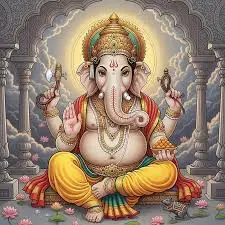
सुखकर्ता दुखहर्ता आरती – गणरायाला अर्पण केलेली भक्तीमय रचना
सुखकर्ता दुखहर्ता ही महाराष्ट्रातील सर्वात प्रसिद्ध आणि प्रिय मराठी आरतींपैकी एक आहे. “सुख देणारा आणि दुःख दूर करणारा” असा अर्थ असलेली ही आरती भगवान गणपती बाप्पा यांना अर्पण केलेली आहे. ही आरती समर्थ रामदास स्वामी (१६०८–१६८२)** यांनी रचली असून ती त्यांच्या भक्तीभाव, काव्यगौरव आणि आध्यात्मिक विचारांचे सुंदर मिश्रण आहे.
आरतीचे महत्त्व आणि वैशिष्ट्य:
हिंदू संस्कृतीत कोणतीही पूजा किंवा धार्मिक विधी पूर्ण करण्यासाठी शेवटी आरती केली जाते. त्या आरत्यांमध्ये “सुखकर्ता दुखहर्ता” ही आरती प्रथम म्हटली जाते, त्यामुळे तिला विशेष स्थान आहे. महाराष्ट्रात गणेश चतुर्थीच्या उत्सवकाळात, तसेच दररोजच्या पूजेतही ही आरती गाईली जाते.
गणेश हे बुद्धी, ज्ञान आणि नव्या प्रारंभाचे दैवत मानले जाते. कोणत्याही शुभ कार्याची सुरुवात गणपतीच्या नावाने केली जाते. म्हणूनच ही आरती गणेश भक्तांसाठी प्रेरणादायी आणि मंगलमय मानली जाते.
रचनेमागील प्रेरणा:
असे मानले जाते की पुण्याजवळील मोरगावातील मयुरेश्वर गणपती (अष्टविनायकांपैकी एक) यांच्या मूर्तीच्या दर्शनातून समर्थ रामदासांना या आरतीची प्रेरणा मिळाली. त्या मूर्तीतील तेजस्वी भाव आणि भक्तिप्रेरित वातावरणाने त्यांचे मन भारावून गेले आणि या सुंदर काव्यरचनेचा जन्म झाला.
संगीत आणि रचना
ही आरती ‘जोगिया’ या रागात बांधली गेली असून तिची लय आणि स्वर मनाला शांतता देतात. “सुखकर्ता दुखहर्ता” या आरतीत तीन कडवी असून प्रत्येक कडव्यानंतर धृपद म्हणला जातो. आरतीतील प्रत्येक शब्द भक्तीचा आणि गणेशाच्या कृपाशक्तीचा अनुभव देतो.
भक्ती आणि परंपरा: Cultural and Spiritual Relevance
आजही महाराष्ट्रातील घराघरांत, मंदिरे आणि गणेशोत्सव मंडपांमध्ये ही आरती भक्तिभावाने गाईली जाते. तिच्या ओव्यांमधून भक्तांना शांती, विश्वास आणि सकारात्मकतेची अनुभूती मिळते. ही आरती केवळ धार्मिक विधीचा भाग नसून – ती भक्ती, श्रद्धा आणि आनंदाचा उत्सव आहे.
Sukhkarta Dukhharta Aarati Lyrics in Marathi
सुखकर्ता दुखहर्ता वार्ता विघ्नांची।
नुरवी पुरवी प्रेम कृपा जयाची॥
सर्वांगी सुंदर उटि शेंदुराची। कण्ठी झळके माळ मुक्ताफळांची॥
जय देव जय देव जय मंगलमूर्ती। दर्शनमात्रे मनकामना पुरती॥
रत्नखचित फरा तुज गौरीकुमरा।
चंदनाची उटी कुंकुम केशरा॥
हिरेजडित मुकुट शोभतो बरा। रुणझुणती नूपुरे चरणी घागरिया॥
जय देव जय देव जय मंगलमूर्ती। दर्शनमात्रे मनकामना पुरती॥
लंबोदर पीतांबर फणीवर बंधना।
सरळ सोंड वक्रतुंड त्रिनयना॥
दास रामाचा वाट पाहे सदना। संकटी पावावे, निर्वाणी रक्षावे, सुरवरवंदना॥
जय देव जय देव जय मंगलमूर्ती। दर्शनमात्रे मनकामना पुरती॥
सुखकर्ता दुखहर्ता आरतीचा अर्थ आणि महत्त्व:
गणपतीचे मंगलरूप
“सुखकर्ता दुखहर्ता” ही गणपती बाप्पाला अर्पण केलेली अत्यंत लोकप्रिय मराठी आरती आहे. ही आरती केवळ भक्तीचा एक भाग नसून, जीवनात सुख, शांती आणि सकारात्मकतेचा संदेश देणारी दैवी प्रार्थना आहे. या आरतीचे प्रत्येक कडवे गणपतीच्या विविध रूपांचे, सौंदर्याचे आणि कृपाशक्तीचे वर्णन करते.
अर्थ आणि आध्यात्मिक संदेश
आरतीच्या प्रारंभी गणपतीला “सुखकर्ता दुखहर्ता” म्हणजे सुख देणारा आणि दुःख दूर करणारा असे संबोधले आहे. या ओळींमधून गणपती भक्तांच्या जीवनात आनंद, ज्ञान आणि स्थैर्य निर्माण करतो, असा गाढ विश्वास व्यक्त केला आहे. आरतीतील “नुरवी” हा शब्द अनेकदा “नुर्वी” असा चुकीचा उच्चारला जातो ही लहानशी पण महत्त्वाची भाषिक नोंद आहे, जी या आरतीच्या प्रामाणिकतेवर प्रकाश टाकते.
पहिलं कडवं – मंगलमूर्तीचा आशीर्वाद
जय देव जय देव जय मंगलमूर्ती,
दर्शनमात्रे मनकामना पूर्ती ॥धृ॥
या कडव्यात गणपतीला *मंगलमूर्ती* म्हणून गौरवले आहे. या ओळींचा अर्थ असा की, गणेशाचे केवळ दर्शन घेतल्यानेच मनातील सर्व इच्छा पूर्ण होतात. भक्ताला न संपणारा आनंद आणि समाधान मिळते.
दुसरं कडवं – गणपतीचे तेजस्वी रूप
रत्नखचित फरा, तुज गौरीकुमरा,
चंदनाची उटी, कुमकुम केशरा…
या कडव्यात गणपतीला गौरीपुत्र म्हणून वर्णन केले आहे. त्याच्या कपाळावर रत्नांनी सजलेला फरा आहे, शरीरावर चंदन, कुंकू आणि केशराचा सुगंध आहे. हिरेजडित मुकुट त्याच्या डोक्यावर शोभतो, तर चरणी घातलेले नूपुर झंकारतात. या वर्णनातून गणेशाचे तेजस्वी, दिव्य आणि आनंदमय रूप उभे राहते.
तिसरं कडवं – भक्तरक्षक गणपती
लंबोदर पीतांबर, फणिवरबंधना,
सरळ सोंड वक्रतुंड त्रिनयना…
या अंतिम कडव्यात गणपतीचे लंबोदर (मोठ्या पोटाचे) स्वरूप वर्णन केले आहे. त्याने पिवळा पीतांबर परिधान केला आहे आणि कंबरेला नागाचा बंध आहे. या गणपतीला तीन डोळे आहेत हे रूप विशेषतः मोरगावच्या मयुरेश्वर गणपतीचे वैशिष्ट्य मानले जाते.
कवी रामदास शेवटी प्रार्थना करतात “हे प्रभो, संकटात असताना माझी रक्षा करा आणि माझे जीवन मंगलमय बनवा.”
गणपतीची ही आरती पारंपरिक चालीत घराघरात म्हटली जाते. पण काळानुसार तिच्या विविध संगीत आवृत्त्याही लोकप्रिय झाल्या आहेत.
सुखकर्ता दुखहर्ता आरती ही फक्त एक धार्मिक स्तुती नसून, ती भक्त आणि देव यांच्यातील प्रेमाचा अनमोल सेतू आहे. तिच्या ओव्यांमधून भक्ताला शांतता, श्रद्धा आणि आत्मविश्वासाची अनुभूती मिळते. गणेशाचे दर्शन, नामस्मरण आणि ही आरती गाणे म्हणजे जीवनात आनंद आणि समाधानाची दिव्य अनुभूती घेणे.
Sukhkarta Dukhharta Lyrics in English with meaning:
Sukhkarta Dukhharta, Varta Vighnachi
(You are the remover of sorrow and suffering, the one who removes obstacles)
Nurvi Purvi Prem Krupa Jayachi
(Whose love and grace have always been there)
Sarvangi Sundar Uti Shendurachi
(Your entire body is beautifully adorned with vermilion)
Kanti Jhalke Mal Mukta Phalanchi
(A pearl necklace gleams on your neck)
Jai Dev Jai Dev, Jai Mangalmurti
(Hail the god, hail the god, hail the auspicious idol)
Darshan Maatre Man Kaamna Purti
(All wishes are fulfilled just by your darshan)
Ratnakhachit Phara Tujh Gaurikumra
(Your seat is studded with jewels, son of Gauri)
Chandanaachi Uti Kumkumkeshara
(Smeared with sandalwood paste and kumkum)
Hire Jadit Mukut Shobhato Bara
(A diamond-studded crown adorns you beautifully)
Runjhunati Nupure Charani Ghagriya
(Whose anklets tinkle on your feet)
Jai Dev Jai Dev, Jai Mangalmurti
(Hail the god, hail the god, hail the auspicious idol)
Darshan Maatre Man Kaamna Phurti
(All wishes are fulfilled just by your darshan)
Lambodar Pitaambar Phanivar Vandana
(O long-bellied one, wearer of yellow silk, bowed down by the king of serpents)
Saral Sond Vakratunda Trinayana
(You have a straight trunk, a curved face, and three eyes)
Das Ramacha Vat Pahe Sadana
(The servant of Rama is waiting for you at home)
Sankati Pavave Nirvani Rakshave Survarvandana
(Please come to my rescue in times of trouble and protect us, O lord
Sukhakarta Dukhaharta – The Divine Marathi Aarti of Lord Ganesha
Sukhakarta Dukhaharta (meaning “the bringer of happiness and remover of sorrow”) is one of the most beloved Marathi aartis dedicated to Lord Ganesha, the Hindu deity of wisdom, prosperity, and new beginnings. This devotional hymn was composed by the great saint and poet Samarth Ramdas (1608–1682 CE), one of the most influential spiritual figures in Maharashtra’s Bhakti movement.
Significance of the Aarti.
This sacred aarti is traditionally sung at the beginning of Ganesh Puja and holds a special place in Hindu rituals. In Maharashtra, it is an integral part of Ganesh Chaturthi celebrations, as well as daily prayers in temples and homes. The phrase “Sukhakarta Dukhaharta” beautifully expresses the essence of Lord Ganesha’s divine role — to bestow happiness upon devotees and remove the obstacles and sorrows from their lives.
Origin and Composition:
According to legend, Samarth Ramdas Swami was inspired to compose this aarti after witnessing the serene and majestic idol of Mayureshwar Ganesha at Morgaon, one of the eight revered shrines known as the Ashtavinayak temples in Maharashtra.
The hymn is written in Marathi and composed in the Jogiya raga, which gives it a soothing and meditative tone.
The aarti consists of three verses (stanzas), each followed by a refrain (Dhruvapad). Every verse describes a different aspect of Lord Ganesha’s divine form and spiritual power — from his radiant appearance to his compassion and protection of devotees.
Meaning and Interpretation
The first verse begins with the line:
“Jai Deva Jai Deva Jai Mangal Murti,
Darshanmatre Man Kamana Purti.”
This verse describes Lord Ganesha as the Auspicious One whose mere sight fulfills the wishes of his devotees. It reflects the belief that his blessings bring success, peace, and contentment.
The subsequent verses vividly portray Ganesha’s divine beauty — his jeweled ornaments, sandalwood paste, and golden attire — symbolizing prosperity and purity. The final verse refers to Ganesha as Lambodara, the large-bellied one, representing generosity and wisdom. It also appeals to him to protect devotees in times of hardship and grant them salvation.
Modern Renditions and Cultural Presence
While the traditional melody of *Sukhakarta Dukhaharta continues to echo in temples across Maharashtra, several modern renditions have kept the devotion alive for new generations:
In the 1970s, legendary singers Lata Mangeshkar and Usha Mangeshkar recorded a new version that became immensely popular.
Anuradha Paudwal included the aarti in her devotional album “Ganesh Mantra”.
Artists like Vishal Rane and Sameer Bangare have performed the song in contemporary rock-fusion styles.
The aarti was also featured in the Bollywood film “Bajirao Mastani”, where its grand presentation captured the spiritual essence of Ganesha worship.
Cultural and Spiritual Relevance
Even centuries after its composition, Sukhakarta Dukhaharta continues to hold a sacred space in the hearts of devotees. Its verses embody love, surrender, and gratitude toward Lord Ganesha — reminding worshippers that divine grace can transform sorrow into strength and challenges into blessings.
Whether sung during Ganesh Chaturthi festivities or as part of daily prayer, this timeless aarti connects generations through faith and devotion, echoing the eternal message of joy, peace, and new beginnings.
Ganpati Aarti | Sukhkarta Dukhharta | Lata Mangeshkar | Devotional Song | Marathi Song
Read More: